

The World Before
On what we lost before we noticed it was gone.

When I was young, there were craftsmen in my neighbourhood whose entire profession was repairing silk stockings. Not replacing them. Repairing them, stitch by stitch, by hand. I remember the concentration it required, the particular kind of patience that has mostly vanished from working life. That profession no longer exists, and most people under forty don’t know it ever did.
I remember a few years ago, when I read an article saying the very last ‘szemfelszedő’ craftsman had passed away in Hungary, I was devastated, it reminded me of my childhood, but also felt like a true loss, like losing something precious that cannot be replaced or found again. And now I am thinking about what that disappearance actually means. Not just the loss of a trade, but the loss of an entire way of relating to the things we own. Because those craftsmen didn’t exist in isolation. They existed inside a world that was built on entirely different assumptions about objects, about time, and about what it meant to own something well.
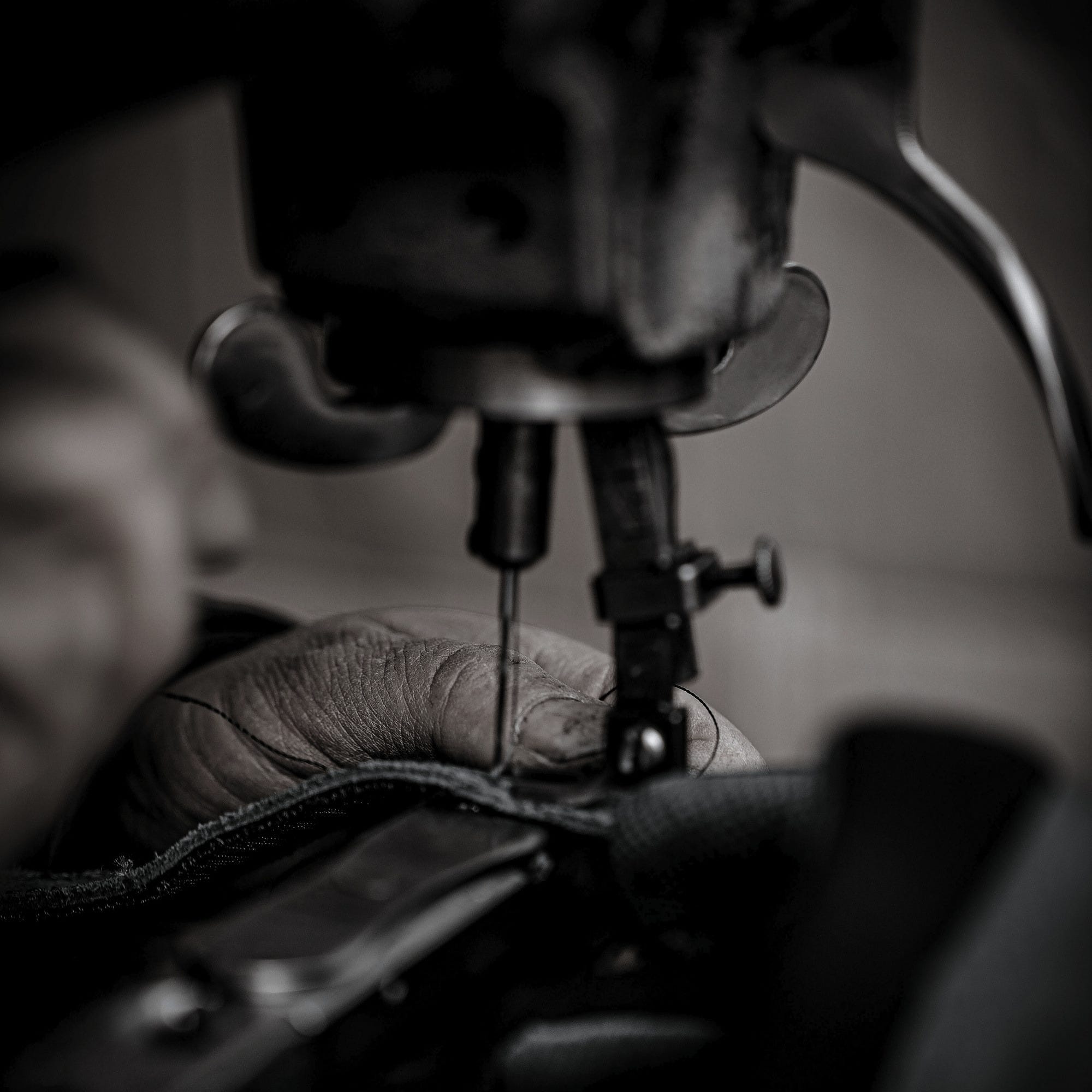
Luxury, in its original meaning, had nothing to do with seasonal collections or the particular kind of desire that arrives through advertising. It was tied to something more grounded and demanding: personalisation, uniqueness, craftsmanship, and above all, longevity. An object of value was one that was made specifically for someone, from materials chosen for their durability, by hands that had spent years learning how to work them. That combination — the right person, the right material, the right maker — was what quality actually meant.
In practice, this meant a long and considered process that we have almost entirely lost. The requirements of the new owner were understood first. Then the materials were sourced, selected not for how they looked on a shelf but for how they complemented their wearer, and also for how they would behave over years of wear. A fabric was chosen because it would hold its shape, because the colour would not fade, because it would drape correctly on a specific body. A leather was selected because it would serve its owner through years of use, softening and molding to the feet rather than cracking. People simply understood that the materials had to justify the effort of making something, and the effort of keeping it.
The making itself reflected all of this. A dress was not just fitted to a body. It was designed around a person, her colouring, her proportions, the occasions she dressed for, the life she actually lived. The difference between a garment made this way and one pulled from a rail is not just one of quality. It is a different relationship entirely between a person and what she wears. When something has been made specifically for you, chosen for you, adjusted to you, it carries a different kind of meaning. You become part of its history before you have even worn it.
Trend cycles reflected this too. Fashion did not change every season because a commercial calendar demanded it. It moved slowly, driven by cultural shifts, by individual women with a strong enough point of view to change what people around them wanted to look like. A silhouette might define a decade rather than a season. This slower pace was not a limitation. It was what made it possible to invest seriously in individual pieces, because those pieces would remain relevant long enough to justify everything that had gone into them.
And when something wore out, you repaired it. This was not a virtue or a philosophy. It was simply what you did, because the alternative was waste and expense that made no sense when the object itself still had life in it. The cobblers, the stocking repairers, the seamstresses who could take apart a garment and rebuild it for a different body or a different decade — all of these people existed because the objects around them were worth maintaining. The craftsmen and the objects justified each other.
What is easy to forget is that this was not reserved for the wealthy. It was simply how objects worked. Everything was handmade, because no other option existed. A woman of modest means did not buy a dress from a rail and hope it fit. She had it made, or she wore something handed down, adjusted and altered to fit her body and her moment. The idea of clothing designed for an anonymous, standard body and sold in identical versions to thousands of people simultaneously would have been difficult to explain, let alone justify. An object was made for someone. That was not a luxury. That was the basic condition.
I grew up at the very end of that world, late enough that most of it was already disappearing, early enough that I caught its traces. I remember the cobblers in my neighbourhood. I used to stop at the window and watch them work. The way they folded the leather, the hand-stitching, the particular attention they gave to each piece that came to them. I was very young, but I understood that I was watching something serious. A person who had spent years learning how to do one thing, and had kept doing it until he could do it without thinking. I couldn’t look away.
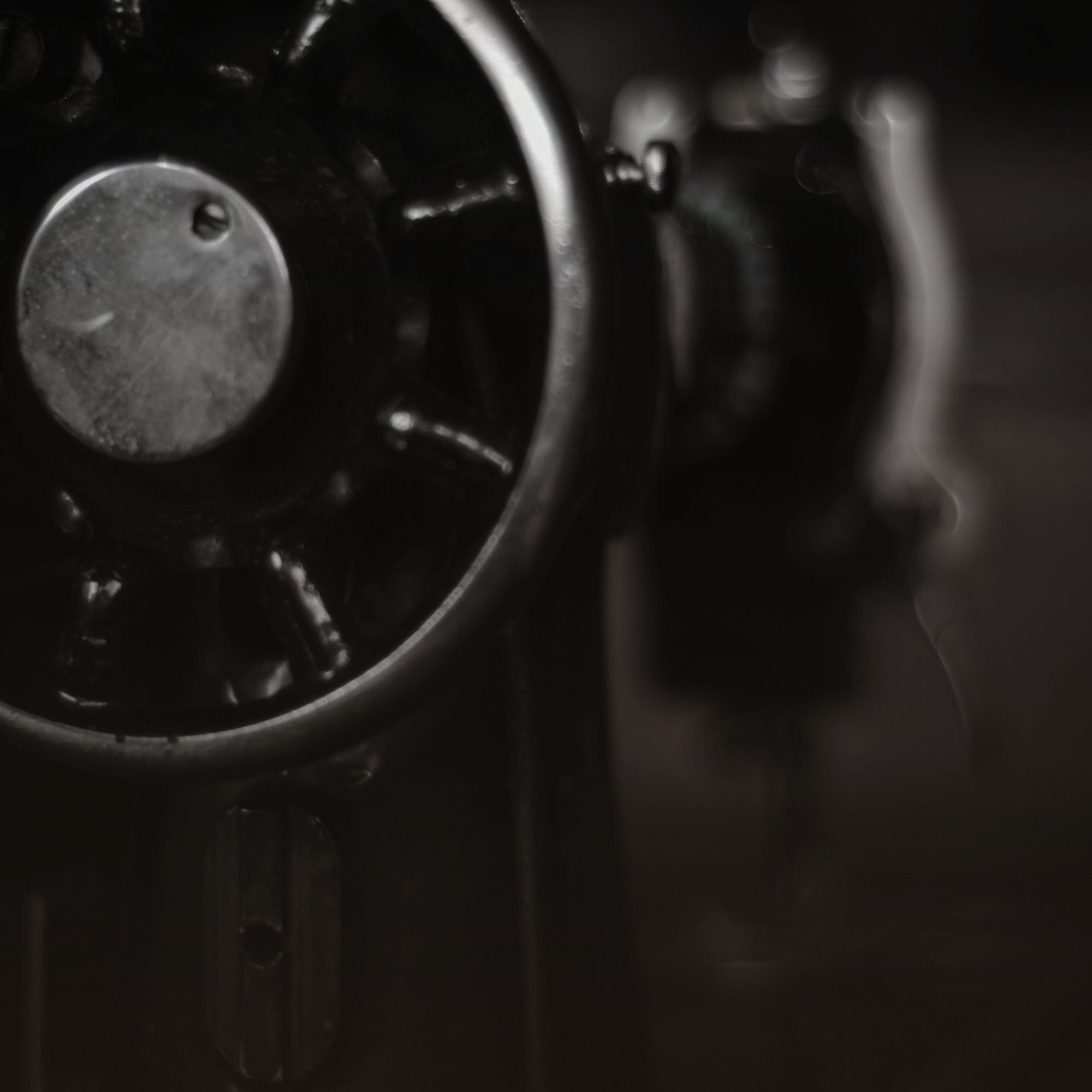
My grandmother was also a seamstress, she worked on a Singer sewing machine that had already belonged to her mother before her, which places it somewhere at the turn of the century, or earlier. By the time I heard about it, the machine had already lived more than one working life. My mother grew up wearing what she wanted, not what the shops offered. She would find something she admired, in a magazine or on someone she passed in the street, and her mother would make it. The fabric was chosen for her colouring. The cut was fitted to her body. The latest fashion was not something you bought. It was something that was interpreted for you, translated into something that was actually yours. This was not considered remarkable. It was simply how clothing worked in my grandmother’s house, as it had worked in the house before it.
What that world produced, among other things, was objects that outlasted the people who first owned them. I wear a bracelet that belonged to my grandmother. It was refitted for my wrist, which is the only change it required. The object itself is unchanged. When I put it on I am aware that it has already existed through more of history than I have, that it has been worn in circumstances I will never fully know, and that it will probably outlast me too if it is cared for. That continuity is not sentimental. It is simply what happens when something is made well enough to travel through time.
My mother keeps a small bible on her bedside table that also came from my grandmother. The cover is resin, shiny and beautifully coloured, with small intricate imagery and a tiny golden lock. It is the kind of object that nobody makes anymore, not because the skill no longer exists somewhere in the world, but because the patience required to justify it commercially does not. It was made to be kept. And it has been kept, through everything, still in daily life, still carrying its meaning quietly at a bedside table somewhere in Budapest.
This world didn’t disappear overnight. It was replaced gradually, systematically, and mostly without anyone noticing until it was already gone.